HomeBlog
Guides Where to Photograph Birds-of-Paradise: A Complete Guide to Papua New Guinea
Where to Photograph Birds-of-Paradise: A Complete Guide to Papua New Guinea
A practical guide to photographing birds-of-paradise in Papua New Guinea, covering key regions, signature species, the best season, photography conditions, gear tips and itinerary planning.
Nick Ludovic Green
8 mins read
Share
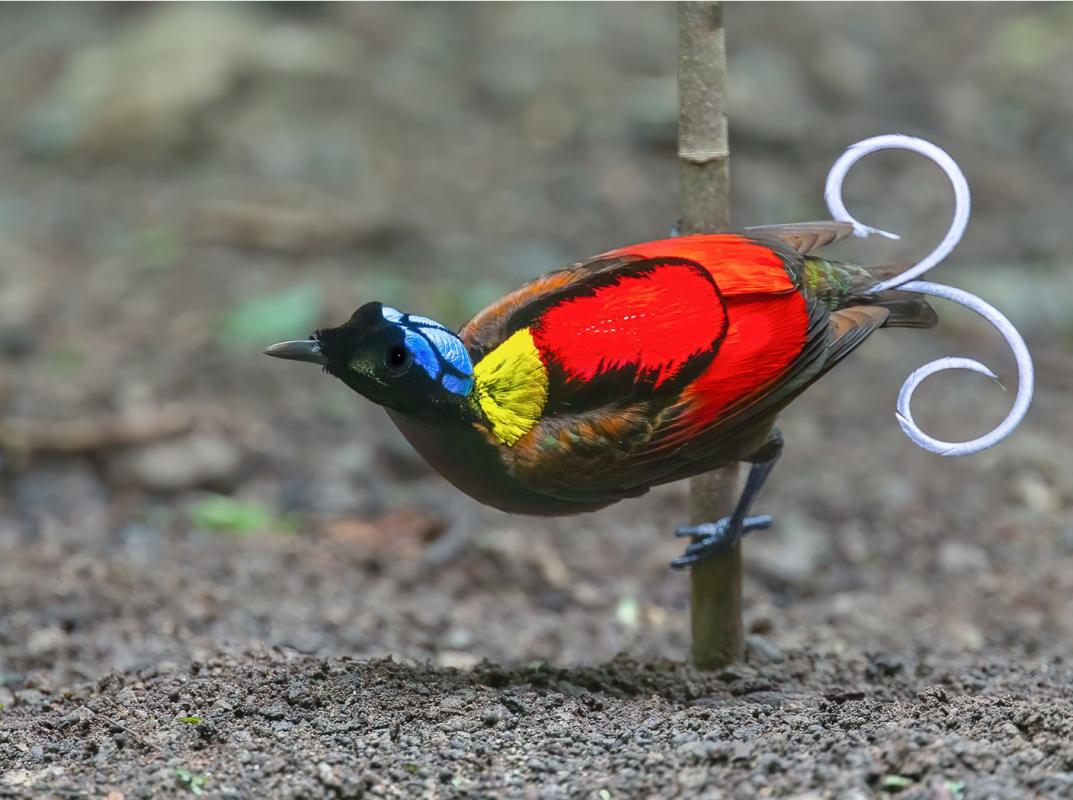
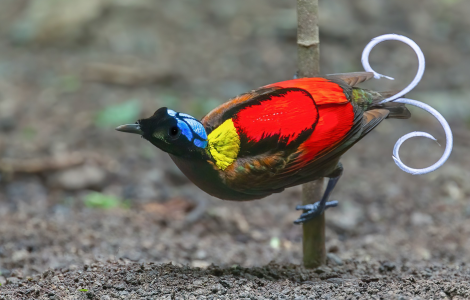
No family of birds has captured the imagination of photographers quite like the birds-of-paradise. Their plumes, their bizarre courtship dances, their iridescent colours that seem almost painted on — they are, for many wildlife photographers, the ultimate subject. And there is only one place on earth where you can realistically photograph them in their full diversity: Papua New Guinea.
Of the roughly 43 species of birds-of-paradise in the world, 38 occur in New Guinea, and Papua New Guinea holds the lion’s share. This is the heartland of the family, from the misty cloud forests of the Central Highlands down to the steamy lowlands of the southern provinces. If you want to photograph displaying males in the wild, this is where you come.
This guide walks through the key regions, the signature species at each, when to go, and what it actually takes to come home with the images you’re picturing.
Why Papua New Guinea Is the Place
It comes down to concentration and access. Other parts of the New Guinea region — Indonesian West Papua, the offshore islands — hold spectacular species too, but Papua New Guinea offers something unusual: a handful of well-established lodges sitting inside prime habitat, each with local guides who know the exact display perches, lek sites and fruiting trees their resident birds use day after day.
That local knowledge is everything. Birds-of-paradise are not birds you stumble upon. Males return to traditional display sites — the same branch, the same vine, the same patch of cleared forest floor — often for years. A guide who knows those sites turns a near-impossible quest into a genuine photographic opportunity.
The Three Key Regions
Papua New Guinea’s birds-of-paradise photography really breaks down into three zones, each at a different elevation and each offering a different cast of species. A well-planned trip usually combines at least two of them.
1. The Port Moresby Area and Varirata National Park
Most trips begin here, simply because Port Moresby is the international gateway. But Varirata National Park, on the Sogeri Plateau above the capital, is far more than a convenient first stop. It’s the most reliable place in the country to photograph the Raggiana Bird-of-Paradise — Papua New Guinea’s national bird and one of the most photogenic of the whole family, with its explosion of orange-red flank plumes.
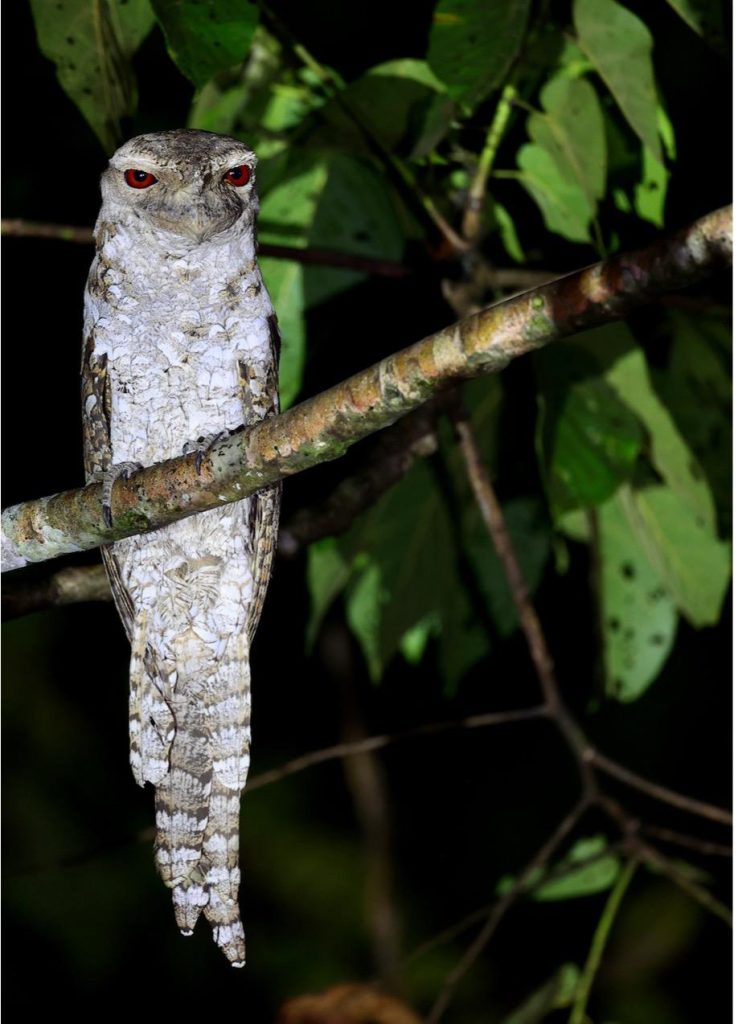
Varirata sits in foothill forest, so it also delivers a supporting cast that’s worth real time: Growling Riflebird (another bird-of-paradise), the dazzling Brown-headed Paradise Kingfisher, fruit doves, Hooded Pitohui and, for the lucky, the huge Papuan Frogmouth roosting by day. Photographically, the light here is more forgiving than the deep highland forest, and the displaying Raggianas at a known lek are a strong opening to any trip.
A short flight inland takes you to Mount Hagen and the surrounding Western Highlands and Enga provinces — the second classic zone, sitting at higher, cooler elevations. This is the region of feeding-table photography, made famous by Kumul Lodge, where birds come in to elevated feeders at remarkably close range.
The star attractions here are the highland montane species. Ribbon-tailed Astrapia, with its impossibly long white tail streamers, and Brown Sicklebill are both regular at and around the lodge feeders — and getting clean, close-up frames of birds this spectacular without a hide is a rare gift. The forest edges around Mount Hagen are also one of the better areas to search for the elusive Blue Bird-of-Paradise, arguably the most sought-after of them all, typically found feeding along steep forested slopes.
Lodges such as Rondon Ridge and Magic Mountain in this region give access to similar montane habitat and additional display sites, and many photographers base themselves here for several nights to work the light across multiple mornings.
3. The Tari Valley and Tari Gap
For many photographers, the Tari Valley in the Southern Highlands (Hela Province) is the emotional and photographic high point of the whole trip. More than 200 bird species have been recorded in the region, including over a dozen birds-of-paradise. It’s also home to the Huli Wigmen, whose ceremonial dress and dances are themselves built around the courtship of these birds — a cultural dimension that adds enormously to a photographic story.
The high forest around the Tari Gap and Ambua Lodge is the place to work for the legendary King of Saxony Bird-of-Paradise, whose two extraordinary enamel-blue brow plumes — up to 50 cm long — are among the strangest ornaments in the entire bird world. Males sing from traditional high perches above the canopy, waving those plumes, and a guide who knows the calling perches can position you for one of the most iconic shots in wildlife photography.
Tari also offers Stephanie’s Astrapia, Lawes’s Parotia, Superb Bird-of-Paradise and Brown Sicklebill, among others — a density of targets that rewards several days in the area.
When to Go
The dry season, roughly May through October, is the prime window. Trails are more passable, mornings are clearer, and movement between sites is more reliable. Display activity in birds-of-paradise does vary by species — the King of Saxony, for instance, displays across much of the year with a breeding peak in the second half of the year — but the practical realities of access and weather make the dry months the safer bet for a photography-focused trip.
Within any given day, timing is everything. Display activity peaks in the early morning, roughly 5:30 to 7:30 AM. That means pre-dawn starts, every day, getting into position before the birds become active. The reward is birds at their most animated in the softest light of the day.
What It Takes Photographically
Birds-of-paradise are a demanding subject, and being honest about the conditions will save you disappointment.
Light is your main constraint. Much of the action happens inside dense montane forest before the sun is high, which means low light and high ISO. A camera body with strong high-ISO performance and a fast telephoto lens (a 500mm or 600mm prime, or a high-quality 100-400/500 zoom) is the realistic kit. Many displays are also high in the canopy, so reach matters.
You’ll often be working from a fixed position. At known display sites and feeding tables, you set up and wait. Steady support — a sturdy tripod with a gimbal head, or at least a monopod — is far more useful than the freedom to roam.
Behaviour beats portraits. The whole point of coming to Papua New Guinea rather than photographing these birds in an aviary is the display: the plume-shaking, the dancing, the inverted postures. Anticipating behaviour, and being ready before it happens, is what separates a record shot from a memorable one.
Ethics matter, and they affect your results. Avoid flash at display sites, keep noise down, and never let playback be overused to draw birds in — beyond the ethical problem, stressed birds display poorly and abandon sites. The best images come from undisturbed birds doing what they naturally do.
Planning a Realistic Itinerary
A serious birds-of-paradise photography trip is not a weekend affair. To do the three zones justice — Varirata for the Raggiana, the Western Highlands for the astrapias and sicklebills, and Tari for the King of Saxony and its neighbours — you want to allow somewhere in the region of ten days to two weeks on the ground, with several mornings dedicated to each major site so weather and bird activity have room to cooperate.
Internal logistics in Papua New Guinea require care: flights between Port Moresby and the highland strips can shift, lodges are remote, and the value of experienced local guides who already have access agreements with the landowners who steward these display sites cannot be overstated. This is a destination where going with people who know the ground is not a luxury but the difference between success and a frustrating, expensive miss.
Ready to Photograph the Birds-of-Paradise?
Papua New Guinea remains one of the few genuine wildlife photography pilgrimages left — a place where the subject lives up to every bit of the legend. Our small-group Papua New Guinea bird photography tours are built around exactly these display sites, timed for peak activity and led by guides with the local access that makes the difference.
Japan is a highly seasonal bird photography destination. Winter is the peak season, with Red-crowned Cranes, sea eagles, swans and large crane gatherings, while spring and autumn are best for migration and summer for breeding birds and seabirds.
A practical guide to hide photography in China, covering how bird hides work, what species to expect, how to prepare your gear and mindset, and why hides are essential for photographing pheasants, tragopans and forest birds.
A practical guide to photographing birds-of-paradise in Papua New Guinea, covering key regions, signature species, the best season, photography conditions, gear tips and itinerary planning.