HomeBlog
Guides Hide Photography in China: How It Works and How to Prepare
Hide Photography in China: How It Works and How to Prepare
A practical guide to hide photography in China, covering how bird hides work, what species to expect, how to prepare your gear and mindset, and why hides are essential for photographing pheasants, tragopans and forest birds.
Nick Ludovic Green
7 mins read
Share
If you’ve admired frame-filling portraits of a Temminck’s Tragopan in full display, a Golden Pheasant glowing in dappled forest light, or a secretive parrotbill perched cleanly in the open, there’s a good chance the photographer was sitting in a hide in China. Over the past decade, China has quietly built the most extensive network of commercial bird photography hides anywhere in the world — and for photographers chasing the country’s spectacular pheasants and skulking forest species, it has changed what’s possible.
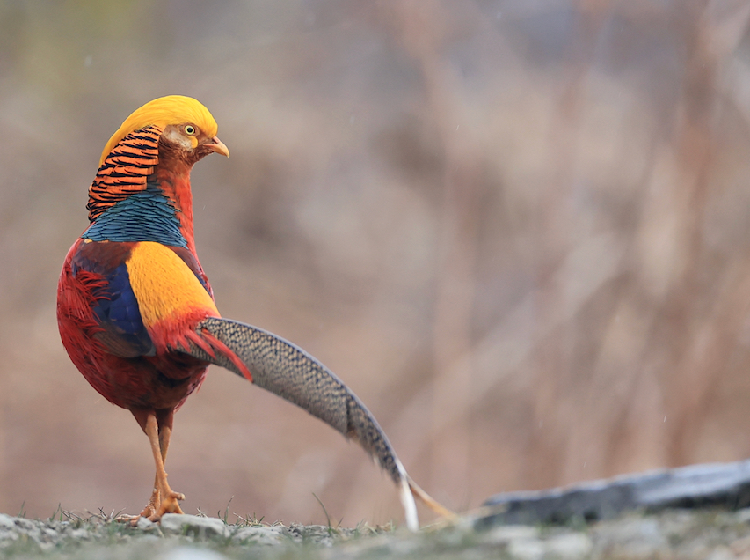
Golden Pheasant, 红腹锦鸡, Chrysolophus pictus (Species)
Yet many photographers arrive with little idea of how the system actually works. This guide explains what Chinese bird hides are, why they exist, what to expect inside one, and how to prepare so you come home with the images you’re picturing.
What Is a Bird Hide, and Why China?
A bird hide (or “blind”) is a concealed structure that lets you photograph birds at close range without disturbing them. In China, these are typically permanent or semi-permanent set-ups near a reliable spot — a feeding station, a forest pool used for drinking and bathing, or a traditional display ground — where target species appear predictably day after day.
China’s hide network grew out of a simple reality: many of its most desirable birds are extraordinarily difficult to see, let alone photograph, in the open. The country’s pheasants are shy forest dwellers that melt away at the first sign of a human. Without a hide, a photographer might spend a fortnight in the mountains and never get a clean frame of a tragopan. With one, the same bird walks into the open a few metres away.
This has driven a remarkable boom. Local communities now manage hides as a source of income, which has turned birds that were once hunted into valuable assets worth protecting. Birds arrive to feed, drink and bathe while photographers wait nearby in camouflaged hides, often just metres away. At some sites, meals are even delivered to the hide so you don’t have to leave during prime hours.
The Birds You Come For
The hide system is what makes China’s signature targets achievable. The headline group is the pheasants and their relatives — China holds an astonishing diversity, including several endemics.
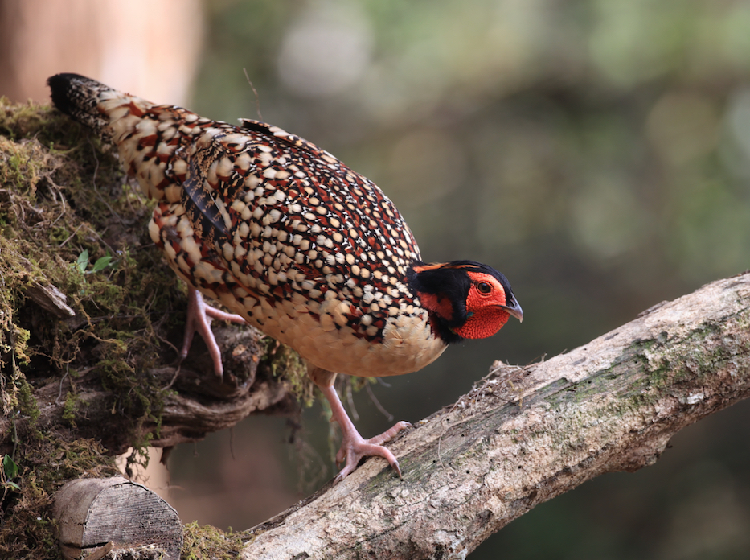
Cabot’s Tragopan, 黄腹角雉, Tragopan caboti (Species)
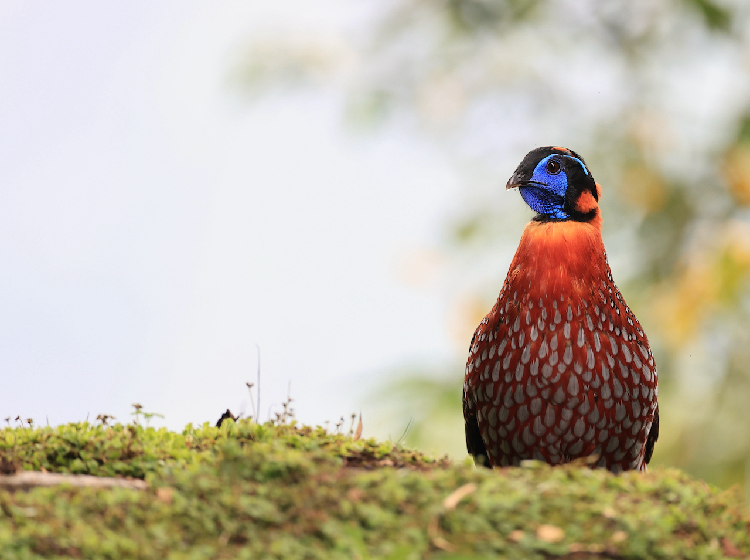
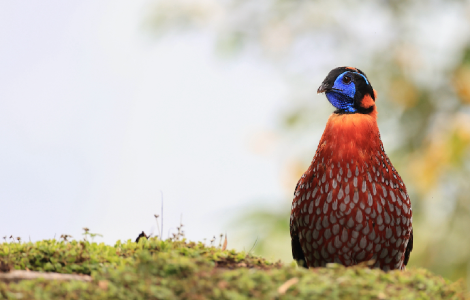
The most coveted are the tragopans: Temminck’s and Cabot’s, whose otherworldly courtship displays — inflating an electric-blue and crimson throat lappet and raising fleshy horns — rank among the great spectacles in the bird world, and are realistically photographable only from a hide. Alongside them, hides deliver clean images of Golden Pheasant, Lady Amherst’s Pheasant, Silver Pheasant, Reeves’s Pheasant, Koklass Pheasant, Blood Pheasant and others, plus the dramatic Chinese Monal in some scenic mountain locations.
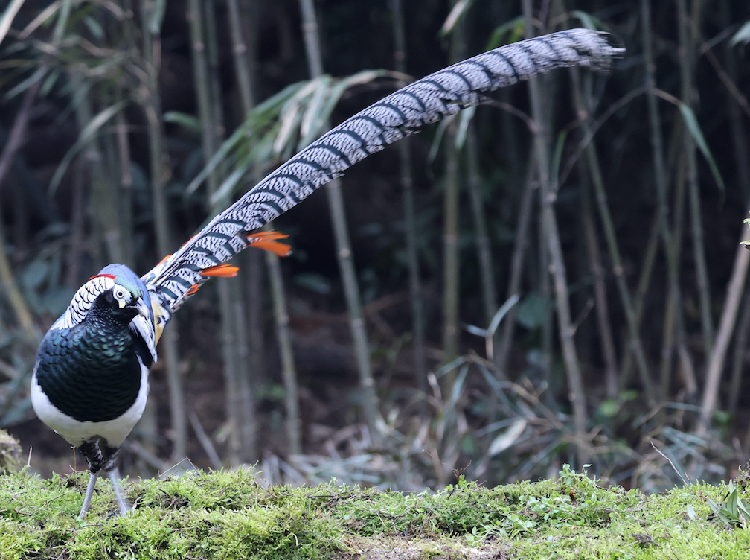
Lady Amherst’s Pheasant, 白腹锦鸡, Chrysolophus amherstiae (Species)
Hides aren’t only for pheasants. Dedicated set-ups for smaller birds bring in a parade of laughingthrushes, China’s remarkable diversity of parrotbills, babblers, scimitar-babblers, liocichlas and buntings — many of them range-restricted species that are genuinely hard to photograph any other way. In the subtropical south, particularly Yunnan, hides also target pittas, barbets and other colourful forest birds.
What to Expect Inside a Hide
If you’ve never done it, hide photography has a particular rhythm that’s worth knowing in advance.
Early starts and long sits. You’ll often be inside the hide before first light and may stay for hours. Birds come on their own schedule, not yours, and patience is the whole game — the star species might appear in the first ten minutes or in the last ten before you leave. Hides for shy species reward photographers who can sit quietly and wait.
Close range and fixed angles. Birds typically appear within metres, at a set of perches or feeding spots the hide is positioned to cover. You photograph through a small opening or one-way glass, which means your shooting angle is fixed — you compose with the bird’s movements and your settings, not by repositioning yourself.
Low light is the norm. Much of the action happens in dim forest understorey in the early hours. Expect to work at high ISO and relatively wide apertures, and to lean on a camera body with strong low-light performance.
Quiet and stillness matter. Sudden movements or loud noises send shy birds straight back into cover. Hide etiquette — minimal movement, silenced phones, no sudden gestures — directly affects whether the bird shows and how long it stays.
How to Prepare
A few practical steps make a big difference to your results.
Gear. A fast telephoto in the 400–600mm range covers most situations, though because birds are often close, a versatile zoom (such as a 100–500mm) can be more useful than a long prime fixed at one focal length. Bring a beanbag or a support that works through a hide opening rather than a full tripod, which can be awkward in a confined blind. A camera with reliable autofocus and good high-ISO performance pays for itself here.
Settings. Be ready for low light: practise working at high ISO, and set yourself up for both static portraits and the sudden bursts of action when a pheasant displays or a bird flicks in to bathe. Continuous autofocus and a high frame rate help capture fleeting behaviour.
Clothing and comfort. You’ll be sitting still for long periods, often in cool mountain mornings, so dress in warm, quiet layers. A small cushion is a genuine luxury. Keep snacks and water within easy reach so you don’t have to rummage at the wrong moment.
Mindset. Come prepared to wait, and to enjoy the supporting cast while you do. Hours spent watching the smaller birds come and go are not wasted — they’re a chance to dial in your settings and composition before the main event arrives.
A Word on Ethics
Commercial hides sit within an ongoing conversation in the wildlife photography community, and it’s worth being thoughtful about. The strongest argument in their favour is conservation through value: when a village earns more from photographers visiting its pheasants than it ever could from hunting them, the birds and their habitat gain real protection, and the model has measurably reduced hunting pressure in some areas.
The responsible approach is to choose operators and sites that manage feeding sensibly — as a supplement rather than a bird’s whole diet — that don’t over-crowd hides or stress the birds, and that channel genuine benefit to the local communities doing the protecting. Photographed this way, hide photography in China is not only one of the most productive forms of bird photography on earth, but a force that has helped turn would-be hunters into the birds’ most committed guardians.
Ready to Photograph China’s Pheasants?
China’s hides put some of the most spectacular and difficult birds in the world within reach of your lens — but the difference between a great trip and a frustrating one lies in going to the right sites, at the right season, with people who have the local relationships and access that the hide system depends on.
Our China bird photography tours are built around the best hides for pheasants, tragopans and the country’s remarkable forest birds, timed for peak display activity and led by guides who know exactly where to be. If you’d like to focus a trip on a particular target — a specific tragopan, the Chinese Monal, or the parrotbills — our custom photography tours can be shaped around it. Get in touch and let’s plan it.
Nick Ludovic Green
Nick Ludovic Green is a bird photographer and founder of Bird-Photo-Tours ASIA, leading small-group expeditions across Asia and Oceania.
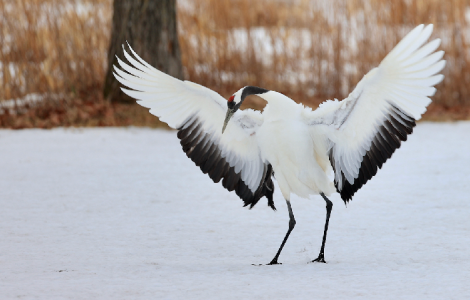
Japan is a highly seasonal bird photography destination. Winter is the peak season, with Red-crowned Cranes, sea eagles, swans and large crane gatherings, while spring and autumn are best for migration and summer for breeding birds and seabirds.
A practical guide to hide photography in China, covering how bird hides work, what species to expect, how to prepare your gear and mindset, and why hides are essential for photographing pheasants, tragopans and forest birds.
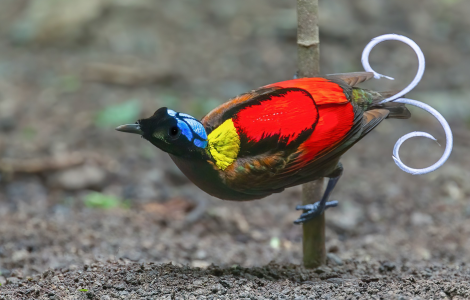
A practical guide to photographing birds-of-paradise in Papua New Guinea, covering key regions, signature species, the best season, photography conditions, gear tips and itinerary planning.