HomeBlog
Guides Bird Photography in Asia: Where to Go Each Month of the Year
Bird Photography in Asia: Where to Go Each Month of the Year
A month-by-month bird photography guide to Asia and Oceania, covering the best seasonal windows for Japan, India, Sri Lanka, Thailand, the Tibetan Plateau, Central Asia and Pacific islands.
Nick Ludovic Green
6 mins read
Share
Asia is the richest bird photography continent on earth — more than 3,800 species across habitats that swing from Himalayan snowfields to equatorial rainforest, from frozen Hokkaido coastlines to tropical Pacific islands. But that richness comes with a catch: nowhere is good all the time, and the difference between a trip timed right and a trip timed wrong can be the difference between a card full of keepers and a week of waiting out rain.
This is a month-by-month guide to where the photography is best across Asia and Oceania through the year. Think of it as a planning map rather than a rulebook — weather varies, seasons shift, and the best window for a specific target species can be narrow. Use it to narrow down where to point your lens in any given month, then dig into the specifics for your chosen destination.
The Two Big Seasonal Drivers
Before the calendar, it helps to understand what actually moves the needle in Asian bird photography.
The first is the monsoon and dry-season cycle that governs South and Southeast Asia. Broadly, the dry months — roughly November through April — are prime across India, Sri Lanka, Thailand and much of the tropical belt: trails are passable, birds are breeding and calling, and light is reliable. The wet months push photography elsewhere.
The second is the northern winter, which concentrates spectacular birds at predictable sites. Cranes gather, sea eagles arrive on the pack ice, and wildfowl pile into wetlands. For East Asia in particular — Japan above all — the coldest months are the best months.
Put those two together and a natural rhythm emerges: head north and east in winter, work the tropics through the dry season, and chase the high-altitude breeders in the brief mountain summer.
January and February: The Heart of Winter
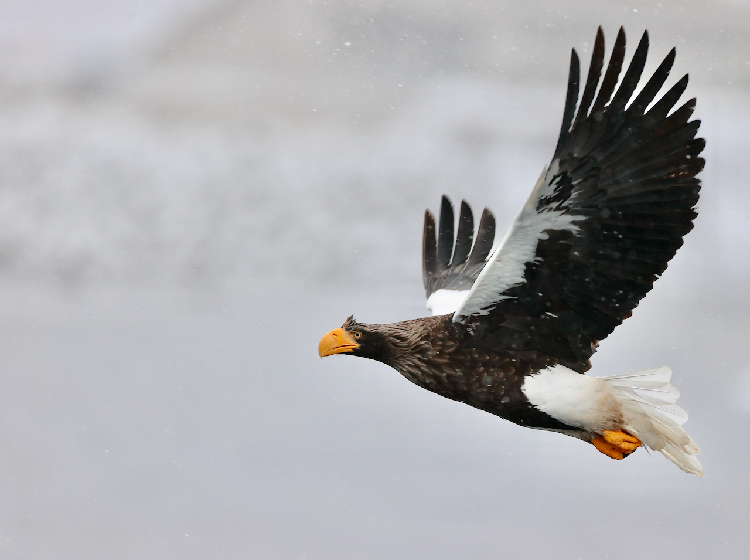
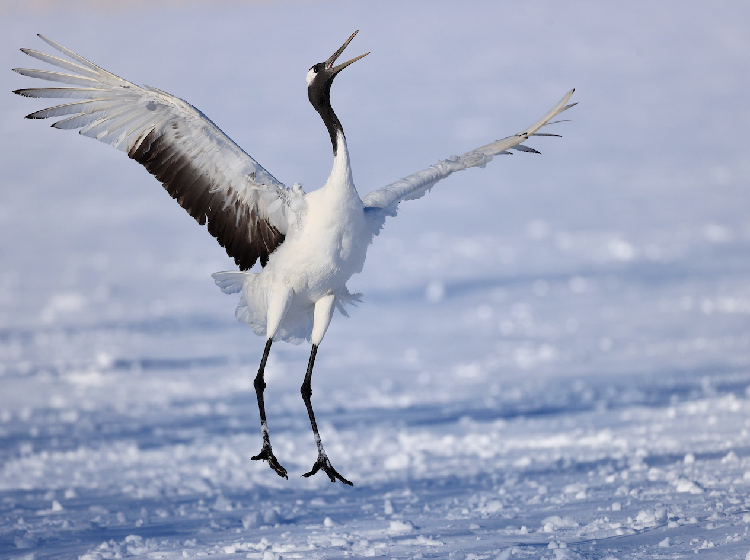
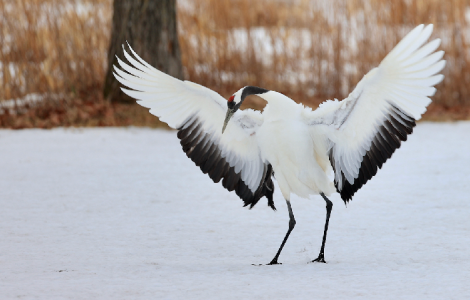
This is Japan’s moment, and it’s one of the great wildlife photography spectacles anywhere. Hokkaido in deep winter delivers Red-crowned Cranes dancing in the snow, Steller’s Sea Eagles and White-tailed Eagles on the drift ice off Rausu, and Whooper Swans on steaming lakes. The light is clean, the snow is a natural reflector, and the subjects are reliable. If you photograph one thing in Asia in winter, make it this.
Red-crowned Crane, 丹顶鹤, Grus japonensis (Species)
It’s also peak season across much of the Indian subcontinent and Southeast Asia. India’s wetlands and national parks are in full swing, Sri Lanka’s dry zone is at its most productive, and Thailand’s forests and hides are busy with breeding and feeding activity. These are excellent months to be almost anywhere in the southern half of the continent.
March and April: The Dry Season Peaks
The tropical dry season reaches its productive peak. Thailand is at its best for forest species, with birds breeding, calling and coming readily to known sites. India and Sri Lanka remain strong before the heat builds, and this is a fine window for endemics in the southern forests.
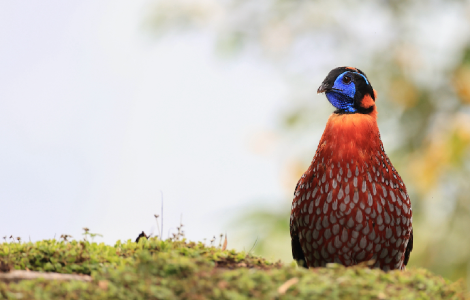
It’s also the shoulder before the high country opens up. In the Himalayas and on the Tibetan Plateau, spring stirs the pheasants and the displaying montane species into action, though the highest sites are still cold and access can be limited early on.
May and June: Going High
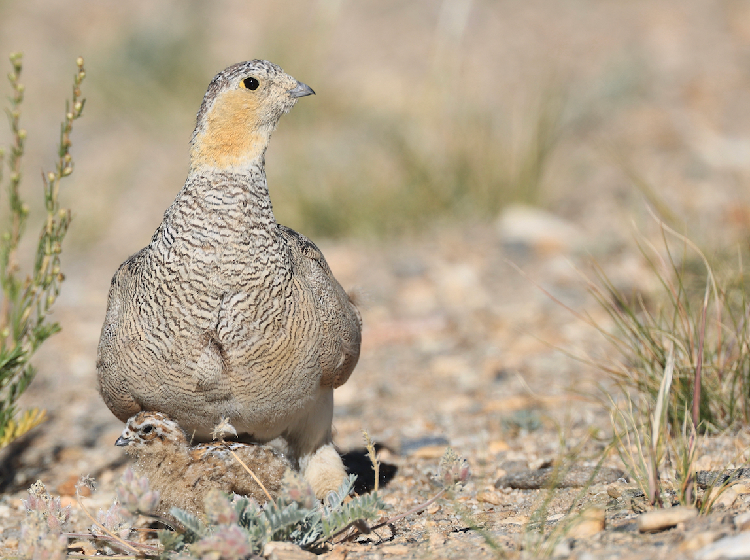
As the lowlands heat up and the monsoon approaches, the action moves uphill. This is the window for high-altitude breeding birds — the Tibetan Plateau and the Qinghai region come alive, with specialties like Tibetan Sandgrouse and a suite of rosefinches, snowfinches and other plateau endemics on display in the brief alpine summer.
Central Asia also enters its prime. The mountains and steppes of Kazakhstan, Tajikistan and the surrounding region are at their best in late spring and early summer, when breeding activity peaks and the high passes are accessible — and you’ll often have these landscapes almost entirely to yourself.
July and August: Mountains and Islands
High summer keeps the focus on altitude and on places that escape the monsoon’s grip. The Tibetan Plateau and Central Asian highlands continue to deliver through midsummer, with long days and active breeding birds.
This is also a sensible window to think about the Pacific and parts of the eastern archipelago, where seasonality works differently from the monsoon-driven mainland. Island endemics across the broader Melanesian and Pacific region can be photographed across much of the year, making them a useful option when the mainland is wettest.
September and October: The Shoulder Turns
Autumn brings migration and a return to workable conditions across much of the continent. In East Asia, the great flyways funnel shorebirds and raptors down the coasts. As the monsoon retreats from South Asia, Sri Lanka and India begin their transition back into prime season, and migrants start arriving to swell the resident cast.
It’s a transitional, opportunistic time — excellent for those willing to follow movement rather than fixed display sites, and a good moment to position yourself ahead of the winter spectacles to come.
November and December: Winter Returns
The cycle comes full circle. The tropical dry season reopens in earnest — India, Sri Lanka and Thailand swing back into their best months — while the first of the winter visitors arrive in the north. By December, Japan’s cranes and eagles are gathering again, and the wetlands of the subcontinent fill with wildfowl.
For many photographers, late in the year is the single most flexible time to travel in Asia: nearly everything from the Himalayan foothills southward is in good condition, and the northern winter spectacle is just beginning.
A Quick Reference by Season
If you only remember one thing, remember the shape of the year: winter (Dec–Feb) for Japan’s cranes and eagles and for the tropical dry-season belt; spring (Mar–Apr) for Southeast Asian forests at their peak; late spring to summer (May–Aug) for the Tibetan Plateau, Himalayas and Central Asian highlands; and autumn (Sep–Oct) for migration and the transition back into the southern season.
The Pacific and equatorial islands sit somewhat outside this rhythm and reward planning around specific targets rather than a single best month.
Planning Around the Calendar
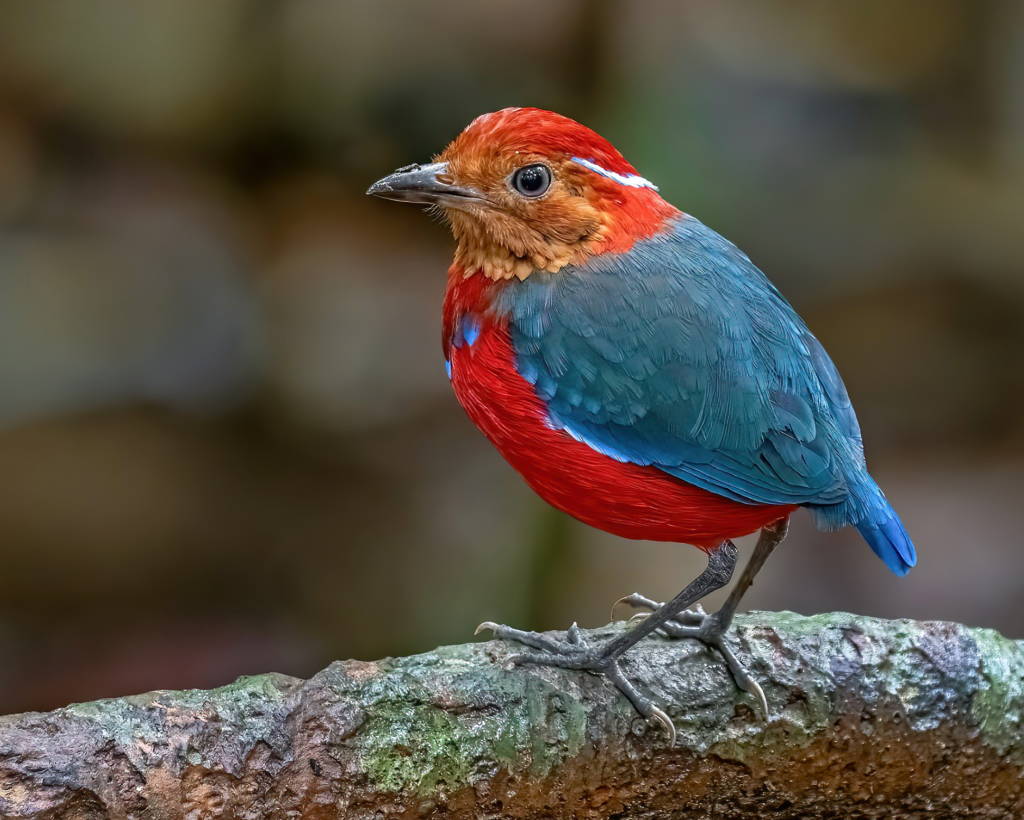
The honest reality is that the best trips are built backwards from a target. Decide whether you most want dancing cranes in the snow, displaying pheasants in the Himalayas, plateau endemics in the thin air of Qinghai, or a forest full of pittas and broadbills — then let that choose your month, not the other way around.
We run small-group bird photography tours across the full sweep of the continent and Oceania, each timed to the peak window for its signature species. You can browse trips by destination — from Japan and China to India, Sri Lanka, Thailand, the Tibetan Plateau, Central Asia and the Pacific islands — and find the one that fits the month you can travel.
If your dates are fixed and you want to make the most of them, our custom photography tours are built around exactly that constraint. Get in touch and we’ll help you point your lens in the right direction at the right time of year.
Nick Ludovic Green
Nick Ludovic Green is a bird photographer and founder of Bird-Photo-Tours ASIA, leading small-group expeditions across Asia and Oceania.
Japan is a highly seasonal bird photography destination. Winter is the peak season, with Red-crowned Cranes, sea eagles, swans and large crane gatherings, while spring and autumn are best for migration and summer for breeding birds and seabirds.
A practical guide to hide photography in China, covering how bird hides work, what species to expect, how to prepare your gear and mindset, and why hides are essential for photographing pheasants, tragopans and forest birds.
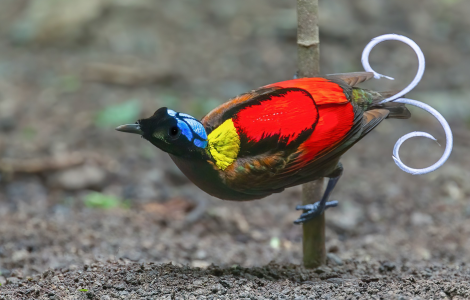
A practical guide to photographing birds-of-paradise in Papua New Guinea, covering key regions, signature species, the best season, photography conditions, gear tips and itinerary planning.